
This morning, I awoke singing Bonnie Tyler’s “Total Eclipse of the Heart” to Karen.
I don’t know what to do and I’m always in the dark
We’re living in a powder keg and giving off sparks
I really need you tonight
Forever’s gonna start tonight.
Not my favorite song. However, given that it is a sad song, it also seems hopeful.
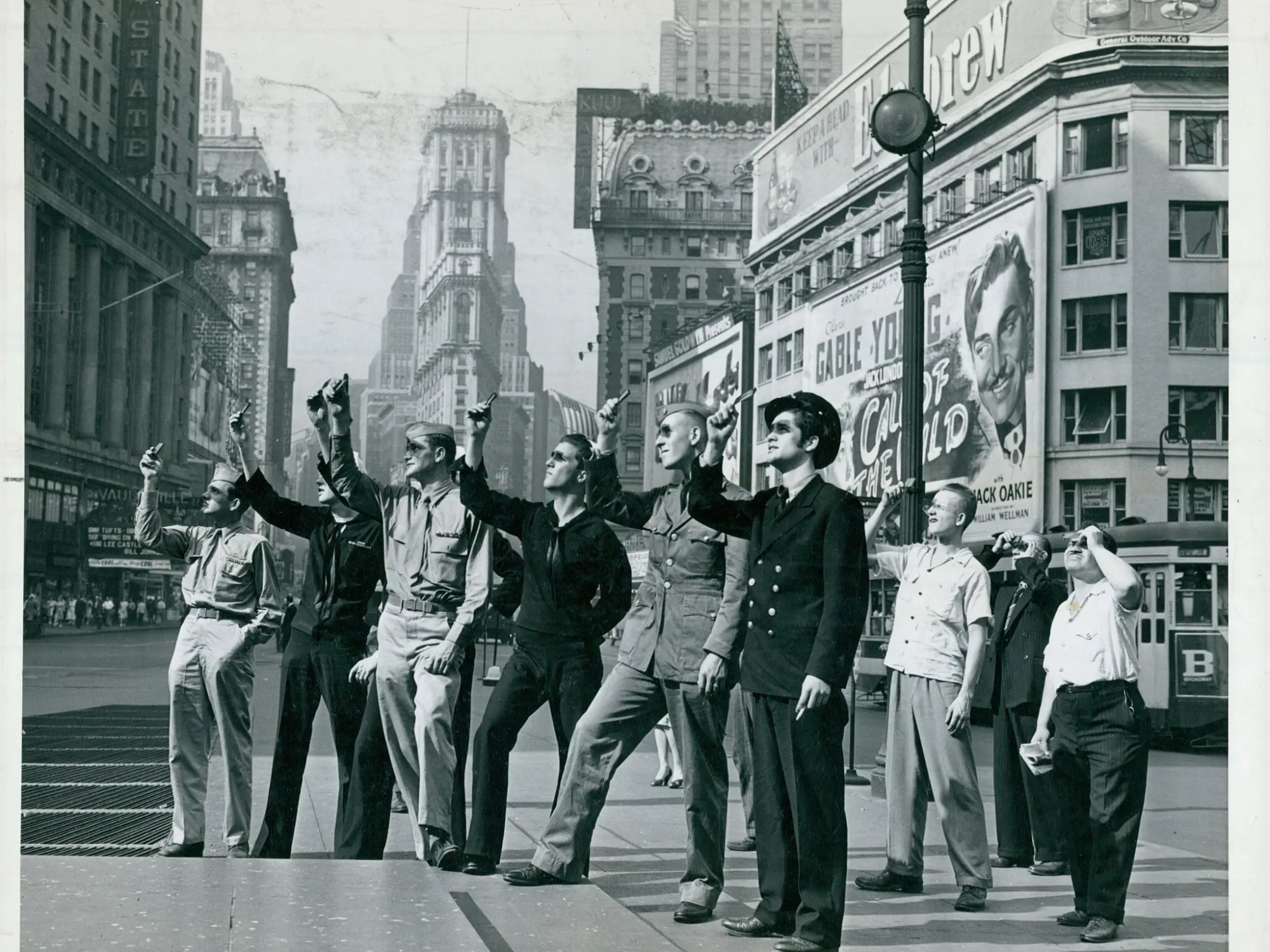
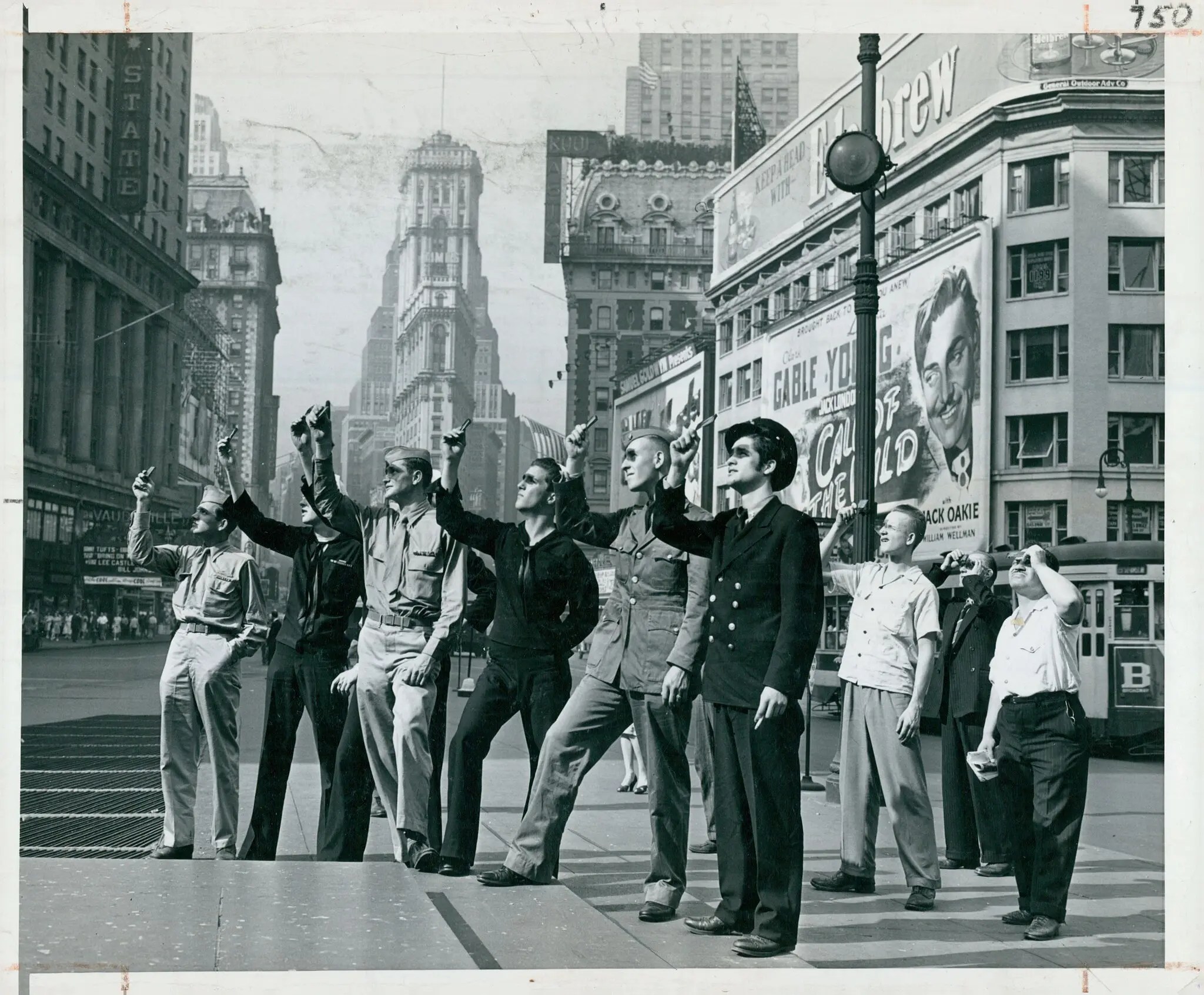
The Moon eclipses the Sun because the Sun is about 400 times wider than the Moon, but it’s also roughly 400 times farther away. Because the moon will sashay between our house and our primary source of light, so too will our world slow down to soak it all in. Look at the faces of those who observe the eclipse. Notice the birds and horses and household pets, and how they react to the lights being dimmed. We focus so much on how to watch the eclipse. The greater wonder beyond the obvious obstruction of celestial bodies, is the reaction of those whose light has been blocked for a brief moment of our lives.
Look around this afternoon and really see the landscape and reactions and people.
Here is a description by Annie Dillard, of the total solar eclipse of 1979: “We had fallen. It was extinct. There was no color. The earth was dead. That was the astonishing moment; and the next when as if a ball had rebounded the cloud took color on itself again, only a sparky ethereal color and so the light came back. I had very strongly the feeling as the light went out of some vast obeisance; something kneeling down and suddenly raised up when the colors came. They came back astonishingly lightly and quickly and beautifully in the valley and over the hills — at first with a miraculous glittering and ethereality, later normally almost, but with a great sense of relief. It was like recovery. We had been much worse than we had expected. We had seen the world dead. This was within the power of nature.
What you see in a total eclipse is entirely different from what you know. It is especially different for those of us whose grasp of astronomy is so frail that, given a flashlight, a grapefruit, two oranges, and fifteen years, we still could not figure out which way to set the clocks for daylight saving time. Usually it is a bit of a trick to keep your knowledge from blinding you. But during an eclipse it is easy. What you see is much more convincing than any wild-eyed theory you may know.
The sky’s blue was deepening, but there was no darkness. The sun was a wide crescent, like a segment of tangerine. The wind freshened and blew steadily over the hill. The eastern hill across the highway grew dusky and sharp. The towns and orchards in the valley to the south were dissolving into the blue light. Only the thin band of river held a spot of sun. Now the sky to the west deepened to indigo, a color never seen. A dark sky usually loses color. This was saturated, deep indigo, up in the air.
I turned back to the sun. It was going. The sun was going, and the world was wrong. The grasses were wrong; they were now platinum. Their every detail of stem, head, and blade shone lightless and artificially distinct as an art photographer’s platinum print. This color has never been seen on earth. The hues were metallic; their finish was matte. The hillside was a nineteenth-century tinted photograph from which the tints had faded. All the people you see in the photograph, distinct and detailed as their faces look, are now dead. The sky was navy blue. My hands were silver. All the distant hills’ grasses were fine-spun metal which the wind laid down. I was watching a faded color print of a movie filmed in the Middle Ages; I was standing in it, by some mistake. I was standing in a movie of hillside grasses filmed in the Middle Ages. I missed my own century, the people I knew, and the real light of day.”
 Bespoke