
There’s an old saying spun different ways but the essence is, “If you aren’t an insurrectionist at eighteen, you have no heart. And if you aren’t a flag-waving patriot at thirty-five, you have no brain.”
This seems truer as time goes by. In my youth, as the Star-Spangled Banner was played at sporting events, I listened with insouciance. Now, I get chills when I hear the National Anthem, a complex but flawed song that is difficult to sing, but brilliant, inspired by the remarkable idea of inalienable rights, an imperfect idea still molten in the press of human pining and American ingenuity.
I just finished reading Rick Atkinson’s book about the Revolutionary War, “The British Are Coming: Lexington to Princeton 1775-1777.
After the first large-scale engagement of the Revolutionary War, the Battle for Bunker Hill, soldiers who had died on that battlefield were buried hurriedly, sometimes en masse, the quick separated from the dead by a few spades of Massachusetts Commonwealth soil. Occasionally, some years hence, a tibia or femur would emerge from that hallowed hill, restless bones from that great struggle north of Boston.
On the topic of bones, I was recently reading an essay by Paul Gruchow published in Best American Essays of 1989.
“Like the prophet, I have walked in a valley full of bones. The bones, every one, are miracles–the alms nature offers to life…The miracle of a bone is that it is a moment frozen. A bone is the evidence of a life–a life unique, unprecedented, and never to be repeated, which, though it has vanished, nevertheless endures in the bone, a faint white glimmering, in some offhand place, of life everlasting”
The bodies of those who gave their lives for the cause of liberty at Bunker Hill were buried not far from their homes, farms, shops, and churches. Many Americans who died for the cause of freedom were laid to rest in foreign countries. Bringing home the dead has never been easy. According to the American Battle Monuments Commission, 218,000 individuals are buried or memorialized in foreign sites around the globe.
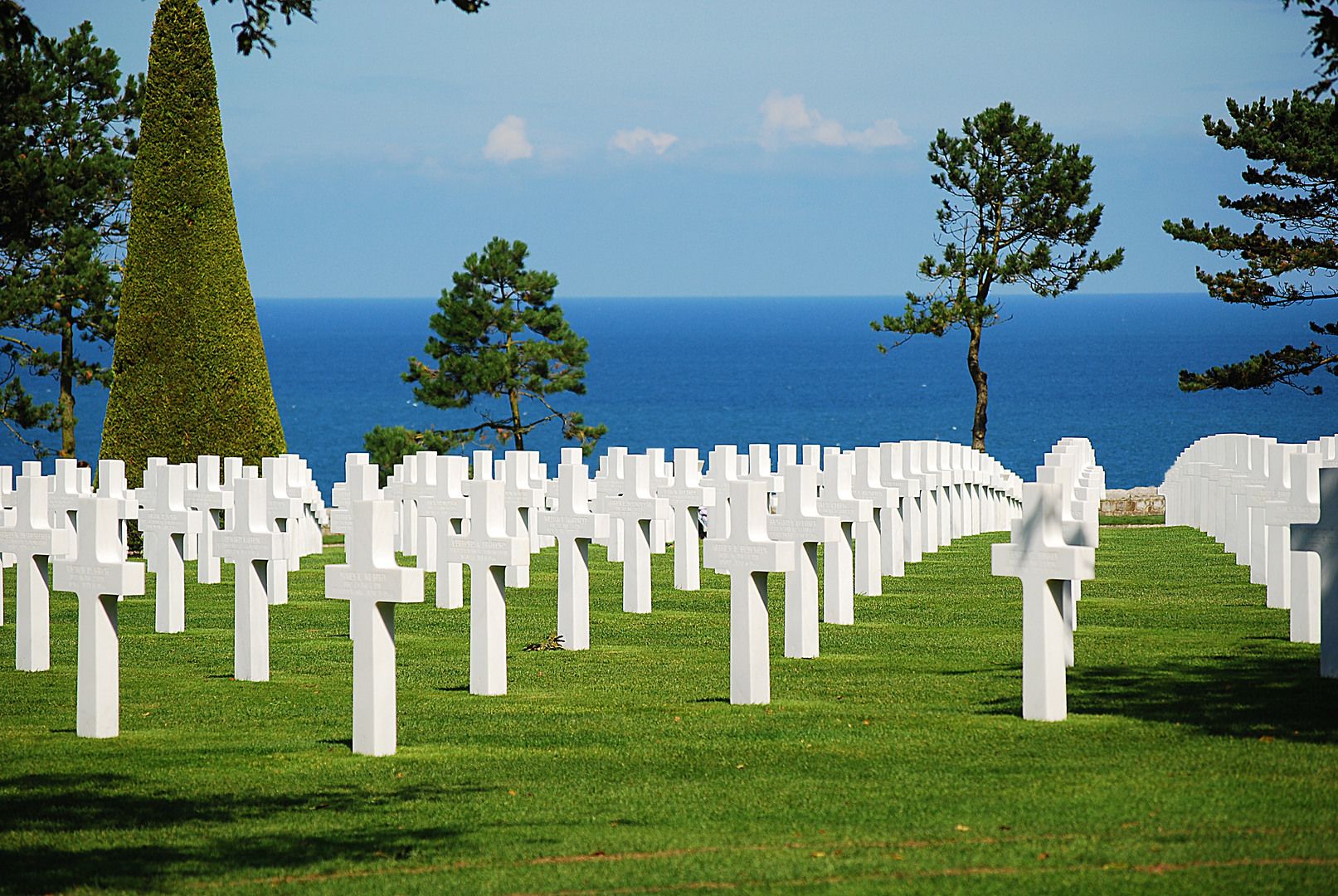
In the nation’s early years, most troops were buried where they fell. During the Revolutionary War, it was common for a soldier’s personal effects to be collected and auctioned to his peers.
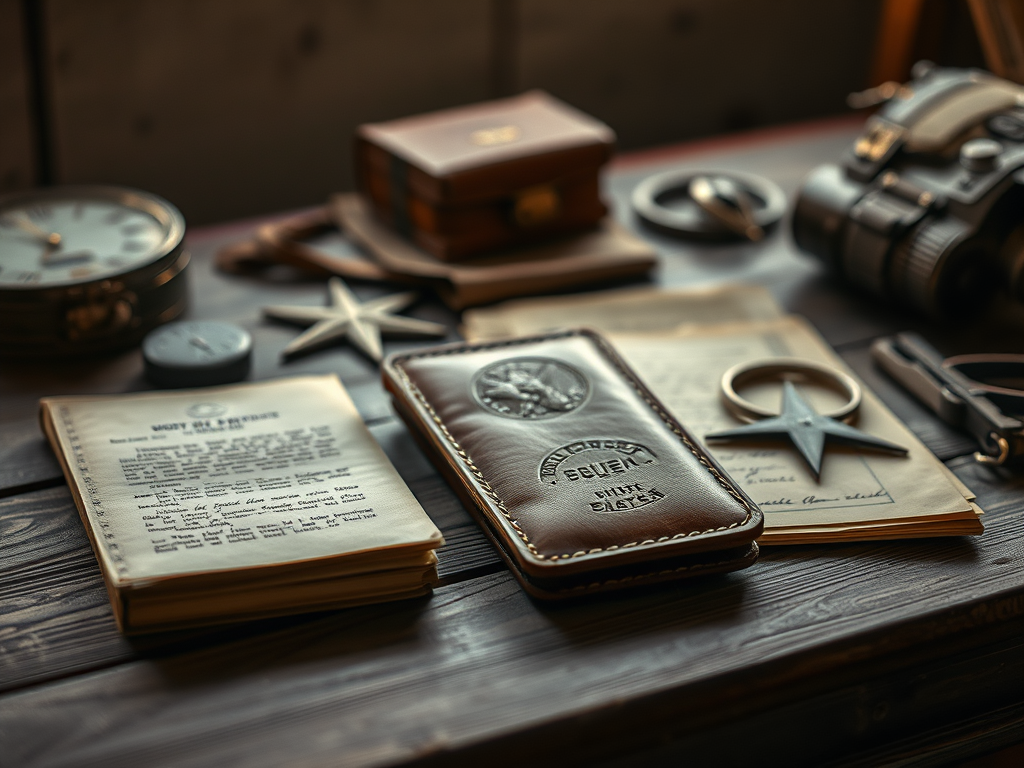
In more recent wars, families learning about their Soldier Dead claimed the belongings as a way to remember and grieve for them. As the dead came home, so too did the things they carried. Japanese swords, German Lugers, an Italian accordion, a tobacco sack full of diamonds, a shrunken head, uniforms, helmets, wallets, rings, letters, and photos. Whatever remained was recovered and sent to Kansas City, Missouri. The items were cleaned of blood and grime. An inventory was attached to the belongings sent to the next of kin.
According to another Rick Atkinson book, the final installment in his trilogy of World War II, The Guns at Last Light, when World War II ended, many families elected to bring their dead loved ones back home to be buried. Most traveled by ship and then rail, coming home in a somber inverse diaspora.
“Among those waiting was Henry A. Wright, a widower who lived on a farm near Springfield, MO. One by one, his sons arrived at the local train station. Sergeant Frank H. Wright was killed on Christmas Eve in 1944 at the Battle of the Bulge. Then Private Harold B. Wright, who had died of his wounds in a German prison camp on February 3, 1945. And finally, Private Elton E. Wright, killed in Germany on April 25, 1945.
Gray and stooped, the elder Wright watched as the caskets were each carried into the rustic bedroom where each boy had been born. Neighbors kept a vigil overnight, carpeting the floor with roses. They bore the brothers to Hilltop Cemetery for burial side by side by side, beneath an iron sky. Thus did the fallen return from Europe, 82,357 strong.”
Rick Atkinson, The Guns at Last Light
Our liberty is not free. It is extravagant, paid for by those who gave their lives so that Americans can know the self-evident truth that all are created equal, endowed by the Creator with certain unalienable rights, that among these are life, liberty and the pursuit of happiness.
Yet, freedom remains elusive. Atkinson writes about the complex narrative of equality shaped within an unequal system, where the ideals of freedom were often reserved for a select few. For others, the promise of freedom was always “someday.”
Sometimes, art can convey truth more deeply than rhetoric. Nate Bartgatze portrays George Washington in a popular SNL skit. Bartgatze’s Washington character tells the militia about his dream for the new country. Kenan Thompson, playing a black colonial soldier, interrupts Washington’s comical oration about inches and feet and meters by asking General Washington, “In this new country, what plans are there for men of color, such as I?” Washington (Bargatze) ignores the question and continues his measured monologue. Kenan interrupts, “And the slaves sir, what about them?” Placing a patronizing hand on the black man’s shoulder, Washington is dismissive, “You asked about temperature.” Kenan quickly responds, “I did not!”
Atkinson writing again in, The British Are Coming,
“That at least a third of the delegates who would sign the Declaration were slave owners—Jefferson alone had two hundred—was a moral catastrophe that could never be reconciled with the avowed principles of equality and “unalienable rights,” at least not in the eighteenth century. But as Edmund S. Morgan would write, “The creed of equality did not give men equality, but invited them to claim it, invited them, not to know their place and keep it, but to seek and demand a better place.”
The fight for this claim of equality is why soldiers fight and die. It’s a relentless mission that stirs old bones like those at Bunker Hill. Old bones and mementos remind us of our entrusted duty to honor those who gave their lives for freedom.
As Paul Gruchow eloquently writes, bones are “the evidence of a life unprecedented, never to be repeated, which, though vanished, still endure in the bone; a faint white glimmering of hope and life everlasting.”
Credits:
 Bespoke